
Theodore Lowe, Ap #867-859
Sit Rd, Azusa New York
Find us here
Sd Vs Hd: The Battle of Resolutions Unveiled
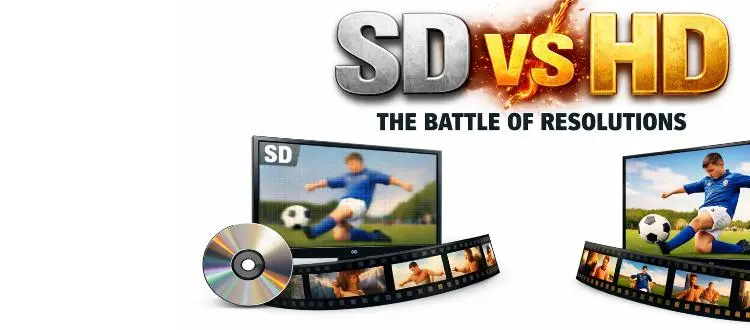
This isn't just about tech jargon; it's about your viewing pleasure and how you experience each pixel on the screen. We all love immersing ourselves in crisp visuals that make scenes come alive. The choice between SD and HD might seem straightforward, but there's a fascinating battle of resolutions happening behind the scenes.
Dive into this article to discover how each option impacts your viewing experience and learn why your choice might be more crucial than you think. Get ready to uncover the secrets of what makes your eyes and brain tick when it comes to screen quality.
Historical Context
Understanding the evolution of video resolution provides valuable insights. The shift from Standard Definition (SD) to High Definition (HD) marked a significant technological advancement. It changed how audiences consumed media and entertainment. This transition influenced broadcasting, filmmaking, and personal video experiences. Let’s explore the historical context and see how SD and HD have shaped visual media.
Sd: The Early Days Of Television
SD, or Standard Definition, was the norm in television's early days. It offered a resolution of 640x480 pixels. This was sufficient for small-screen viewing. Early TV sets were designed with SD in mind. The technology was limited but groundbreaking for its time. SD provided the first widespread access to visual entertainment. It paved the way for future innovations.
The Rise Of Hd Technology
HD, or High Definition, emerged as technology advanced. It introduced sharper images and richer colors. The resolution jumped to 1280x720 or 1920x1080 pixels. This was a major improvement over SD. HD provided viewers with a more immersive experience. It became popular in the late 1990s and early 2000s. The demand for clearer images grew rapidly.
Impact On Broadcasting And Film
The shift from SD to HD transformed broadcasting. Networks had to upgrade their equipment. Film studios started producing movies in HD formats. This change enhanced visual storytelling. It allowed filmmakers to capture intricate details. Audiences could enjoy a cinematic experience at home. HD became standard in digital broadcasting and film production.
Consumer Electronics And Hd Adoption
HD technology influenced consumer electronics. TV manufacturers introduced HD-ready and full-HD televisions. These products became popular among consumers. People wanted better picture quality at home. HD adoption increased as prices dropped. It became a must-have feature in new televisions. This pushed SD into the background.
Conclusion: A New Era Of Visual Media
The transition from SD to HD marked a new era. It set the stage for future advancements like 4K and 8K resolutions. As technology continues to evolve, the battle of resolutions remains relevant. Understanding this historical context helps appreciate current visual media standards.
Defining Sd And Hd
Exploring the world of resolutions, SD (Standard Definition) offers lower image quality with fewer pixels. HD (High Definition) provides clearer, sharper images with higher pixel counts. The choice between SD and HD affects viewing experience significantly.
Choosing between SD and HD can feel like picking sides in an epic showdown. Many of us have experienced the frustration of watching a pixelated video, unable to make out the details. But what exactly do SD and HD mean? Understanding these terms can help you make informed choices about your viewing experience.
What Is Sd?
SD stands for Standard Definition. It's the resolution we grew up with, especially if you remember the bulky TVs of the past. SD typically refers to a resolution of 480p, meaning there are 480 horizontal lines stacked from top to bottom. Think about the classic shows you watched as a kid. The picture was often grainy, but we didn't mind back then. SD was the norm, and it was enough to keep us entertained. However, as technology advanced, so did our expectations for clarity and detail.
Understanding Hd
HD, or High Definition, brings a sharper and clearer image. The resolution starts at 720p and can go up to 1080p or even higher. This means more pixels, more detail, and a more immersive viewing experience. Imagine watching a nature documentary where you can see every leaf on a tree or the vibrant colors of a bird's feathers. HD makes you feel like you're right there, witnessing the beauty firsthand. It’s no wonder HD has become the new standard for most media.
Why Resolution Matters
The resolution impacts the quality and clarity of what you see on screen. If you’re watching a movie, would you prefer seeing every detail clearly or squinting at a blurry mess? Higher resolutions deliver a more enjoyable experience. Whether you're watching a football game or your favorite drama, HD can make the difference between a good show and a great one.
How Does This Affect You?
Your choice between SD and HD can influence your viewing habits. Streaming platforms often offer both options. If bandwidth or data usage is a concern, SD might be more practical. However, if you crave clarity, HD is worth considering. Think about your device. Is it HD-ready? If not, upgrading might be a worthwhile investment. But remember, it’s not just about the device; it’s about how you want to experience your favorite media.
Making The Right Choice
Consider your preferences and needs. Do you prioritize quality over convenience? Are you willing to adjust your data plan for HD streaming? Take a moment to reflect on what enhances your viewing pleasure. Sometimes, the answer is simple, and sometimes, it requires a bit of compromise. What matters is finding the balance that suits you best. Making informed decisions can transform your media experience from ordinary to extraordinary. So, what will you choose? SD's simplicity or HD's brilliance? The choice is yours.
Technical Specifications
SD and HD offer different video experiences. SD has lower resolution, resulting in less detail. HD provides clearer, sharper images, enhancing viewing quality. Choose based on your preference for image clarity or storage space.
Understanding the technical specifications behind SD (Standard Definition) and HD (High Definition) can help you make smarter choices when it comes to viewing or creating content. It's not just about what's on screen; it's about how it gets there. Whether you're streaming your favorite show or editing your latest video, knowing the differences can make all the difference.
Resolution Differences
Resolution is where SD and HD diverge significantly. SD usually features a resolution of 720x480 pixels. In contrast, HD starts at 1280x720 pixels for 720p and goes up to 1920x1080 pixels for 1080p. The difference is stark, especially on larger screens. More pixels mean sharper images and more detail. When you're watching a nature documentary or a high-paced action movie, HD can make you feel like you're right there in the scene.
Aspect Ratios
Aspect ratio is another crucial factor. SD content often uses a 4:3 aspect ratio, which was the standard for older TVs. This can lead to letterboxing on modern screens, where black bars appear on the sides. HD content typically uses a 16:9 aspect ratio, matching most modern displays. This means your content fills the screen, providing a more immersive experience. Imagine watching a panoramic landscape scene in full glory, without those pesky black bars.
Frame Rates
Frame rates can dramatically affect how smooth and fluid video content appears. SD content often sticks to 24 or 30 frames per second (fps). This frame rate is sufficient for most standard broadcasts and older movies. HD, however, often supports higher frame rates, like 60 fps. This is particularly beneficial for fast-paced content like sports or video games. You get a crisper, more fluid visual experience that keeps up with the action. Have you ever wondered why some videos feel more lifelike? It might just be the higher frame rate making it all come together seamlessly. Understanding these technical specs empowers you to choose what suits your needs best. Do you prioritize resolution, or is a smoother frame rate more important for your viewing pleasure? Your preferences can guide your choices, ensuring you get the most out of your screen time.
Visual Quality
Visual quality is a key factor when comparing SD (Standard Definition) and HD (High Definition) resolutions. The differences in visual quality are not just technical—they affect how you experience your favorite movies, shows, and games. Let's dive into some specific aspects to understand why HD might be worth considering.
Color Depth
Color depth refers to the number of colors a display can show. HD resolutions typically offer a richer color palette compared to SD. Imagine watching a sunset on HD; the vibrant oranges and reds appear more lifelike and immersive.
Your eyes catch subtleties in shades and tones that SD might miss. This can make a huge difference when viewing detailed images or watching colorful animations. Would you prefer seeing the world in faded hues or in full color glory?
Sharpness And Clarity
Sharpness is where HD truly shines. With more pixels packed into the same space, HD provides finer details and clearer images. Remember the frustration of watching a movie where faces appear blurry? HD minimizes this issue.
In HD, text is sharper, edges are clearer, and small details pop. It's like wearing glasses with the correct prescription versus squinting to see. This can be especially useful for gaming or reading text on screens.
Impact On Viewing Experience
The overall viewing experience is transformed by HD resolution. Watching a high-stakes sports match or an action-packed movie becomes more engaging. You catch every detail—from the sweat on a player’s brow to the intricate fight choreography.
HD enhances the emotional impact of visual content. Whether it's the thrill of a car chase or the beauty of a scenic landscape, HD draws you in deeper. Consider how much richer your viewing experience could be with HD.
In comparing SD and HD, visual quality is not just about technical specs; it's about how you feel while watching. Have you ever missed out on a critical scene because of poor visual quality? If so, HD might be the upgrade you need.
Storage And Bandwidth
Storage and bandwidth are crucial in choosing between SD and HD resolutions. Each resolution impacts file size and streaming needs differently. Understanding these factors helps make informed decisions.
File Size Considerations
SD files are smaller than HD files. Smaller files save storage space. HD files offer better quality but need more space. Consider your device's storage capacity before choosing.
Streaming Requirements
Streaming SD requires less bandwidth. It works well with slower internet speeds. HD streaming demands more bandwidth. Faster internet ensures smooth playback.
Compatibility
Compatibility plays a crucial role in the SD vs HD resolution debate. Understanding which devices support these resolutions can save time and money. It ensures a seamless viewing experience without unexpected interruptions.
Device Support
SD resolution finds support on older devices. These include older televisions and portable DVD players. Many classic gaming consoles also favor SD. This makes SD a versatile choice for legacy equipment. HD, on the other hand, requires modern hardware. Most current smartphones, tablets, and laptops support HD. Newer TVs and streaming devices also cater to HD resolution.
Media Formats
Media formats also dictate compatibility with SD and HD. DVDs typically use SD resolution. This format is still popular for physical media collections. Streaming platforms often offer both SD and HD options. They allow users to choose based on their device's capability. Blu-ray discs cater to HD, providing higher quality content. As streaming tech evolves, HD formats become the norm.
Cost Implications
Choosing between SD and HD affects cost. SD is often cheaper but has lower quality. HD provides better visuals and can be more expensive. Balancing quality and budget is key.
Understanding the cost implications of SD (Standard Definition) and HD (High Definition) is crucial for anyone involved in producing or consuming video content. Whether you're a budding filmmaker, a small business owner, or just someone who loves streaming movies, knowing how these formats affect your wallet can guide your choices. Let's break down the costs from production to consumer pricing.
Production Costs
Creating content in HD typically demands more resources than SD. Higher resolution videos require better cameras, more storage space, and powerful editing software. This can significantly increase production expenses. Think about it: a filmmaker shooting in HD might need to invest in high-quality equipment, which can be pricey. The extra clarity and detail are fantastic, but are they always necessary? If you're starting or have a tight budget, SD might be the way to go.
Consumer Pricing
How much are you willing to pay for clearer visuals? Streaming services often charge more for HD content. This can add up quickly, especially if you're subscribed to multiple platforms. Consider your viewing habits. Do you watch on a small screen where the difference between SD and HD is minimal? Or do you have a large TV where HD makes a significant impact? Your preferences can guide whether the extra cost is worth it. When purchasing physical media like Blu-rays or DVDs, HD versions are usually more expensive. It's a trade-off between quality and cost. Would you rather save money or enjoy the best picture quality? Understanding these cost implications can help you make informed decisions. Is the higher resolution worth the expense for you? Each choice has its benefits, and weighing them carefully can lead to smarter spending.
Use Cases
SD and HD resolutions cater to different viewing needs. SD is suitable for smaller screens and basic content. HD offers clearer visuals, ideal for larger screens and high-quality media. Each has its unique use cases based on device capabilities and user preferences.
In the world of resolutions, SD and HD each bring unique strengths to various scenarios. Understanding where these resolutions shine can help you make informed choices for your viewing and gaming experiences. Whether you're tuning into live TV, streaming the latest shows, or diving into immersive gaming, the right resolution can enhance your experience. So, let's dive into the specific use cases where SD and HD resolutions make a difference.
Broadcasting And Television
Broadcasting and television have long relied on SD resolution for its simplicity and lower bandwidth requirements. SD remains prevalent in many channels, especially for news and live events where speed matters more than sharpness. However, HD has become the standard for most modern broadcasts. The detail and clarity offered by HD provide a richer viewing experience, especially for sports and high-action shows. Watching a football game in HD feels like being at the stadium, where you can see every player’s move. Think about your favorite TV show. Would you prefer seeing every detail in HD, or does the nostalgia of SD bring back fond memories of simpler times? Your preference might depend on what you're watching and how much detail you value.
Online Streaming
Online streaming platforms have transformed how we consume media, and resolution plays a significant role in this revolution. SD offers a quick load time and consumes less data, making it ideal for areas with limited internet connectivity. But HD is where streaming services truly shine. Platforms like Netflix and Hulu offer HD and even 4K options, making binge-watching a more immersive experience. Imagine watching a nature documentary where every leaf and animal is vividly detailed. HD enhances this experience, making you feel like you're part of the wilderness. Consider your data plan and internet speed. Is HD worth the extra data usage and wait time for buffering, or does SD keep your streaming smooth and uninterrupted?
Gaming
Gaming is where resolution can dramatically alter your experience. SD gaming may suffice for retro games that don't rely on high-definition graphics. It allows for faster gameplay without lag, crucial for competitive gaming. Yet HD gaming offers a visually stunning world that captivates players. From the intricate details of your character’s armor to the expansive landscapes, HD enhances the gaming experience. Think about playing an adventure game where every shadow and reflection adds depth to your journey. What type of gamer are you? Do you prioritize speed and simplicity, or does the allure of HD graphics pull you into the game like never before? Your choice might depend on whether you're playing for nostalgia or seeking new visual adventures. As you consider these use cases, reflect on your priorities and needs. The battle of resolutions is not just about clarity—it's about how these resolutions enhance your experiences.
Future Of Resolutions
The future of resolutions is like a thrilling race to see which technology will define our visual experiences. With SD and HD paving the way, new resolutions are emerging that could change how you see the world on screens. Are you ready to explore what's next in this evolving landscape?
Emerging Technologies
Technological advancements are pushing the boundaries of screen resolutions beyond HD. Innovations like 4K and 8K are setting new standards for clarity and detail. Imagine watching your favorite movie with such precision that every scene feels almost real.
Virtual reality is making waves by offering immersive experiences that rely heavily on resolution. Higher resolutions in VR mean you can dive into a world that feels tangible. Have you ever tried a VR headset and noticed how the resolution affects your experience?
Trends In Consumer Preferences
Consumers are gravitating towards devices with higher resolutions for better viewing experiences. It's not just about watching; it's about feeling connected to what you see. Think about your last purchase—did resolution influence your decision?
Many prefer streaming services that offer HD or better quality. This shift is evident as platforms like Netflix and YouTube compete on resolution. How often do you choose a video based on its quality options?
With screens becoming more advanced, user expectations are climbing. You might notice this trend when upgrading your smartphone or TV. What resolution does your ideal device have?
The battle between SD and HD is evolving, and the future holds even more exciting prospects. Are you ready to embrace the resolution revolution?
Conclusion
Choosing between SD and HD depends on your needs. SD is budget-friendly. HD offers better clarity. Both have their place. Consider your viewing habits and devices. Need sharp images? Go HD. On a tight budget? SD works well. Think about streaming quality too.
Fast internet? HD streams smoothly. Slow connection? SD might be better. Always match resolution to your content type. Movies, sports, or casual shows? Your choice matters. Remember, quality impacts viewing experience. Make an informed decision. Your eyes will thank you.
Related blog posts
Clipping Path Associate has empowered businesses globally for over 12 years. A passionate team is dedicated to providing meticulous photo editing services. Expertise is offered in a range of areas, from precise clipping paths to flawless image retouching. The company offers straightforward yet impactful solutions tailored for photographers, e-commerce enterprises, advertising agencies, web design firms, magazine publishers, printing companies, and more.
We Accept : 